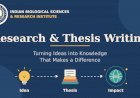
Research & Thesis Writing: Turning Ideas into Knowledge That Makes a Difference
Discover the importance of research and thesis writing in academic growth and scientific advancement. Explore research publication, thesis preparation, academic writing challenges, and how IBRI supports researchers with expert guidance, editing, formatting, and publication support.
 Dhriti Thakur
Nov 26, 2026 04:58
102
0
Research & Thesis Writing: Turning Ideas into Knowledge That Makes a Difference
Every great discovery begins with a question. But how do you turn that question into meaningful research?
Have you ever wondered how a simple question can lead to a groundbreaking discovery, a new scientific perspective, or a solution to a real-world problem?
Behind every innovation, academic breakthrough, and meaningful contribution to society lies one essential process: Research.
Research is more than collecting information, reading journals, or conducting experiments. It is the process of questioning what we know, exploring what we don't, discovering new possibilities, and contributing something valuable to the existing body of knowledge.
For students, research scholars, PhD candidates, and academicians, research and thesis writing are not just academic requirements. They are opportunities to demonstrate knowledge, develop critical thinking, and make a meaningful contribution to their respective fields.
But what makes research so important, and why does effective thesis writing matter?
Let's explore.
1. What Is Research, and Why Does It Matter?
Research is a systematic process of investigating a particular subject, identifying problems, analysing information, and developing evidence-based conclusions.
Whether it is a scientific experiment, a literature review, a clinical study, or a social science investigation, research helps us move beyond assumptions and understand the world through evidence.
Research matters because it:
-
Creates New Knowledge: It helps uncover new information, challenge existing theories, and expand our understanding of different subjects.
-
Solves Real-World Problems: From healthcare advancements to technological innovations, research provides evidence-based solutions to practical challenges.
-
Encourages Critical Thinking: It teaches researchers to question information, analyse evidence, and make informed decisions.
-
Supports Academic Growth: Research develops subject expertise and strengthens academic and professional credibility.
-
Contributes to Society: Meaningful research can influence policies, improve practices, and inspire future innovations.
In simple terms, research is not just about finding answers; it is also about asking better questions.
2. Thesis Writing: Giving Your Research a Voice
If research is the journey of discovery, a thesis is the structured presentation of that journey.
A thesis is an academic document that presents a researcher's investigation, methodology, findings, analysis, and conclusions on a specific topic.
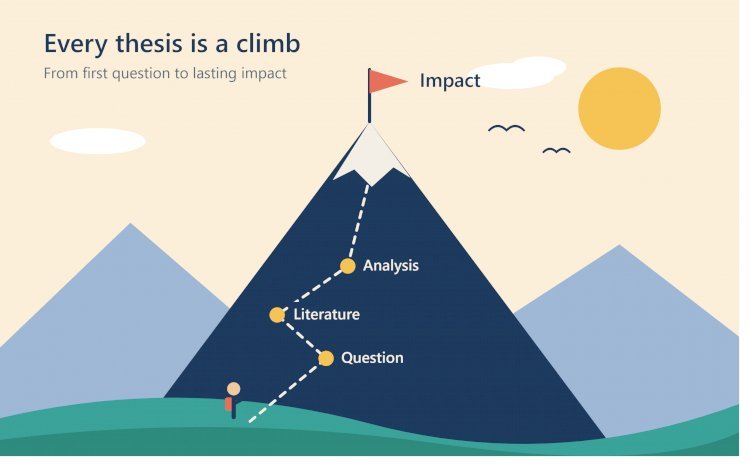
It demonstrates not only what a researcher has discovered but also how they arrived at those findings.
A well-written thesis generally includes:
-
Title and Abstract: A concise overview of the research topic, objectives, methods, and major findings.
-
Introduction: Establishes the research background, problem statement, objectives, and significance.
-
Literature Review: Examines existing studies, identifies research gaps, and establishes the foundation for the investigation.
-
Research Methodology: Explains the methods, tools, materials, and procedures used to conduct the study.
-
Results and Discussion: Presents findings, interprets data, and connects results with existing research.
-
Conclusion and Future Scope: Summarises the major findings and highlights possible directions for future research.
-
References and Bibliography: Acknowledges the scholarly sources used throughout the research.
Each section plays an important role in communicating the research clearly, logically, and academically.
3. Why Is Research Publication Important?
Conducting research is a significant achievement, but sharing your findings with the academic and scientific community is equally important.
Research publication allows scholars to communicate discoveries, contribute to scientific discussions, and make their work accessible to a wider audience.
Here is why publication matters:
1. Establishes Academic Recognition
Publishing research helps researchers build academic credibility and demonstrate their expertise in a particular subject.
2. Increases Research Visibility
A published study can reach researchers, institutions, professionals, and scholars across different countries.
3. Contributes to Future Discoveries
Your findings may become a foundation for future research, helping other researchers explore new questions and possibilities.
4. Strengthens Academic and Professional Profiles
Research publications can support academic applications, doctoral opportunities, career development, and professional advancement.
5. Encourages Knowledge Exchange
Publication creates opportunities for collaboration, discussion, constructive criticism, and the exchange of ideas within the research community.
Remember, research creates knowledge, but publication helps that knowledge travel.
4. Common Challenges Faced by Research Scholars
While research is rewarding, the journey is not always easy.
Many students and scholars encounter challenges that can make research and thesis writing overwhelming.
Some common difficulties include:
-
Choosing the Right Research Topic: Identifying a relevant, meaningful, and researchable topic can be challenging.
-
Literature Review: Finding reliable academic sources and identifying research gaps requires time and careful analysis.
-
Research Methodology: Selecting appropriate methods and designing a scientifically sound study can be complex.
-
Academic Writing: Presenting technical information in a clear, structured, and academically appropriate manner requires practice.
-
Editing and Formatting: Maintaining consistency in citations, references, tables, figures, and institutional formatting guidelines can be time-consuming.
-
Publication Preparation: Understanding journal requirements, manuscript preparation, and the publication process can be difficult for first-time researchers.
These challenges do not mean that a researcher lacks potential. They simply highlight the importance of proper planning, academic guidance, and professional support.
5. What Makes a Research Paper or Thesis Stand Out?
A strong research document is not defined by its length or complicated vocabulary. Its real strength lies in the quality of the research and how effectively the findings are communicated.
Here are some essential elements of quality academic work:
-
Originality: Research should offer meaningful insights and appropriately acknowledge existing work.
-
Accuracy: Data, references, methodology, and findings must be presented carefully and truthfully.
-
Clarity: Ideas should be communicated in a logical, understandable, and well-organised manner.
-
Proper Referencing: Every source must be acknowledged using the required citation style.
-
Strong Methodology: Research methods should be appropriate, transparent, and reproducible wherever applicable.
-
Ethical Research Practices: Researchers must maintain academic integrity, protect research participants where relevant, and avoid plagiarism, fabrication, and manipulation of data.
A well-presented thesis or manuscript reflects the researcher's dedication, discipline, and commitment to academic excellence.
6. From Research Ideas to Global Recognition: How IBRI Supports Researchers
At the International Bio Research Institute (IBRI), we believe that every research idea deserves the right direction, attention, and opportunity to grow.
We understand that behind every thesis, manuscript, and research publication is months or even years of dedication and hard work.
Our aim is to make the research journey more structured, accessible, and manageable by providing academic and publication support at different stages.
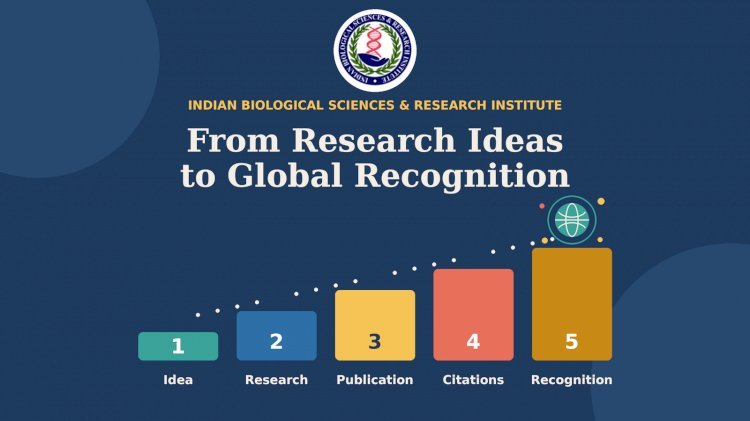
Here's how IBRI supports your research journey:
1. Research Publication Support
We assist researchers in preparing and progressing their research work towards publication through appropriate academic and editorial support.
2. Thesis Publication Support
We help scholars prepare and present their thesis work in a professional manner, supporting them in navigating the thesis publication process.
3. Expert Guidance
Receive guidance from experienced professionals to help strengthen your research approach, academic presentation, and overall research journey.
4. Editing & Formatting
We support language refinement, manuscript editing, structural consistency, referencing, and formatting according to relevant academic or publication guidelines.
5. Quality Assurance
We emphasise accuracy, clarity, consistency, and academic presentation to help researchers improve the overall quality of their work.
6. Global Reach
We aim to help research work reach a wider academic audience by supporting researchers in navigating publication opportunities and increasing the visibility of their scholarly contributions.
7. Your Research Journey Deserves the Right Support
Research is not simply about completing a degree, submitting a thesis, or adding another publication to your academic profile.
It is about curiosity, perseverance, discovery, and the courage to contribute something meaningful to the world.
Every research scholar starts somewhere. Some begin with a question, others with an observation, and many with an idea they believe deserves to be explored.
What matters is having the right direction and support to transform that idea into meaningful academic work.
At IBRI, we are committed to supporting researchers at every step of this journey.
From research and thesis publication to expert guidance, editing and formatting, quality assurance, and global reach, IBRI supports you at every step.
Because your research deserves more than completion. It deserves the opportunity to make an impact.
IBRI – Empowering Research. Supporting Discoveries. Connecting Knowledge Globally.
A Question for Our Readers
If you could improve one aspect of your research journey, what would it be?
-
Choosing a research topic
-
Writing a thesis or manuscript
-
Research methodology and data analysis
-
Editing, formatting, and publication
-
Finding the right academic guidance
Share your thoughts in the comments. Your research journey might inspire someone else's!